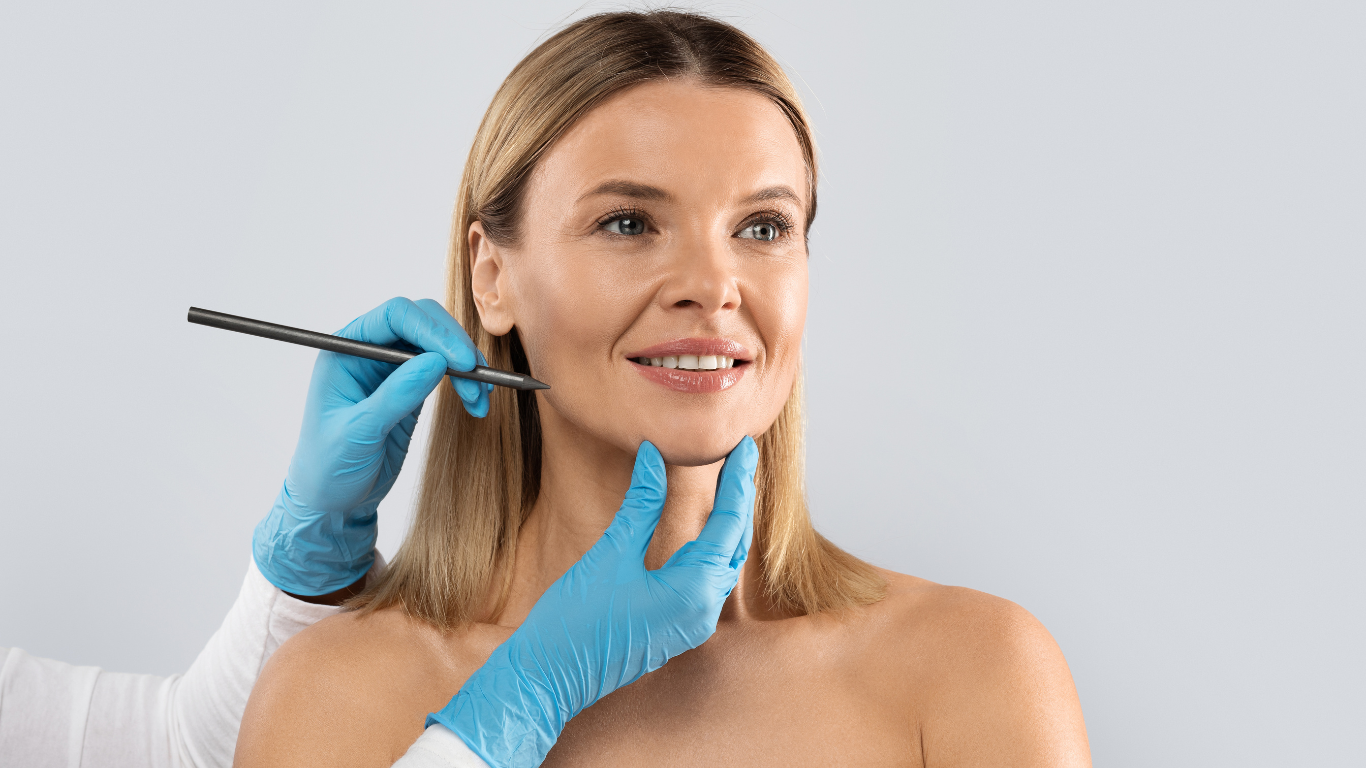
Restoring mandibular contour definition: Complete guide
Discover all the surgical options to restore jaw definition, including facelifting, liposuction, mentoplasty and bone contouring. Results, candidates, recovery and essential answers to decide on the ideal treatment.
Restore the Definition of the mandible is a common goal for those who want to improve their facial appearance. Over time, loss of volume and sagging skin can make the jawline appear less marked.
The most effective solution for restoring jaw definition combines modern aesthetic treatments, such as hyaluronic acid fillers, with habits that help maintain firmness and natural contour.
There are both non-surgical and surgical methods to improve the jaw, but injectable fillers have become popular because they are less invasive and offer visible results in a short time.
Understanding the options available and how each one can act on the facial contour is key for those looking for a more defined jaw. With the guidance of Dr. Richer, patients can choose the most appropriate plan based on factors such as age, genetics and personal expectations.
Importance of a defined jaw
A well-defined jaw directly influences the harmony and balance of the face. Its shape and contour help highlight facial features and provide structure to the lower third of the face. In addition, a mandibular line marked can project an image of security and youth.
Impact on facial aesthetics
The mandible is a key part of the facial structure. A defined mandibular line improves the symmetry of the face and enhances the profile, creating a visual balance between the upper and lower parts of the face.
This contour helps to break the continuity between the neck and the face, making the neck appear longer and the cheekbones more prominent. It also reduces the appearance of sagging, offering a firmer and more toned appearance in the chin and jaw area.
La Jawline definition contributes to a more sculpted and masculine or feminine face, depending on individual proportions, and is valued in different aesthetic treatments for its immediate effect on improving the facial contour.
Self-Esteem and Personal Perception
A scarred jaw can positively influence how a person sees themselves. The definition in the lower face is associated with youth and good health, which generates greater confidence.
By improving the mandibular contour, many people experience an increase in their self-esteem. This feeling strengthens personal perception by reflecting a safe and balanced image.
In addition, the defined jaw helps to project determination in social and professional environments. This has an impact on how others perceive the person, creating an impression of strength and personal care.
Causes of loss of mandibular definition
The loss of definition in the jawline may be due to several factors affecting the bone structure, skin and soft tissues. These influence the shape and contour that gives firmness and character to the face, especially in the lower third area.
Aging and Collagen Decrease
With age, natural collagen and elastin production declines. This causes the skin to lose elasticity and firmness, causing sagging and sagging in the mandibular area.
In addition, bone resorption in the jaw reduces structural support, contributing to wrinkle formation and loss of definition. The combination of these processes causes soft tissue loss, known as ptosis, which can form jowls or jowls.
These changes are progressive and are reflected in a less defined contour, making the face appear more aged.
Genetics and bone structure
The shape and size of the jaw greatly influence the facial definition. Some people tend to have a jaw that is naturally less prominent or positioned in a way that makes it difficult to draw a clear line between the face and neck.
Genetics determine these characteristics and also the type of skin, which may be more prone to laxity. In cases where the bone structure is small or the mandibular position is low, the mandible loses prominence, making it difficult for the line to be well defined without aesthetic or medical help.
Changes in weight and lifestyle habits
Weight fluctuations affect the accumulation and loss of fat in the face. A noticeable increase can result in a double chin, while rapid loss results in less firm skin.
In addition, bad habits such as lack of exercise, a poor diet or smoking worsen skin elasticity, accelerating skin elasticity. Skin loss in the jaw.
These combined factors cause the jawline to lose sharpness and make the facial contour appear less harmonious. Maintaining a stable weight and healthy habits helps maintain better definition.
Non-surgical options for restoring the jawline
There are treatments that improve the jawline without surgery, offering visible results and short recovery times. These options combine the use of injectable products and advanced technologies to safely define and rejuvenate the facial contour.
Hyaluronic acid and dermal fillers
Dermal fillers, primarily based on hyaluronic acid, are used to increase volume and improve jaw projection. Products such as Juvederm Volux are specifically designed to provide structure and definition in this area.
These treatments have an immediate effect and can last between 9 and 18 months. In addition to highlighting the jawline, they also help to smooth out irregularities and reduce the appearance of a double chin when combined with appropriate techniques.
Fillers are reversible if necessary, but require post-treatment care to avoid swelling or asymmetries that usually disappear in a few weeks. Accuracy in the application is key to avoiding product migration and achieving a natural result.
Ultrasound and Radiofrequency Technologies
Ultherapy and radiofrequency microneedling are energy-based methods that work from deep layers of the skin. Ultherapy uses focused ultrasound to stimulate collagen production, which helps tighten and lift the skin around the jaw.
Radiofrequency microneedling combines microneedling with radiofrequency energy to improve skin texture, tone and firmness. This treatment is useful when skin laxity is mild to moderate.
Both procedures have minimal downtime and provide progressive results in 2 to 3 months, with effects that can last up to two years with adequate maintenance.
Facial contouring with injectables
In addition to hyaluronic acid, facial contouring can benefit from the use of neurotoxins such as Botox for tightening massaging muscles. This helps to visually thin the jaw, especially in cases of muscle hypertrophy that give a more square appearance.
This approach is quick, with no recovery time, and offers temporary results between 3 and 6 months. It is often combined with dermal fillers to add structure and achieve a balance between volume and shape.
Treatment can also alleviate discomfort related to bruxism. However, it should be adapted to the type of face and should be avoided in people with very thin facial features to avoid an unnatural appearance.
Surgical procedures to redefine the jaw
Redefining the mandible may involve techniques that act on the skin, fatty tissue and bone structure. These interventions seek to improve the jawline, eliminate sagging and correct irregularities to achieve a more defined contour.
Facelift and Submentonic Lifting
El facelifting and submentonic surgery is a surgery that lifts and tightens the skin and muscles around the jaw and neck. It is useful for correcting the sagging and sagging of the tissues that form the so-called “jowls”.
This procedure prevents the formation of visible scars by placing them in discreet areas such as the hairline and behind the ears. It can be combined with other techniques to improve the contour, especially when a deeper correction is needed than just skin tightening.
In addition to improving aesthetic appearance, lifting can improve skin tension and muscle function, achieving a firmer and more defined jaw profile with lasting results.
Liposuction and facial sculpting
Facial liposuction focuses on removing excess fat that accumulates in the area under the chin and on the sides of the jaw. This technique improves the profile by reducing volume, especially in the double chin area.
Facial sculpting is an additional step that can shape bone contours, working on the chin and jawline. It is common for these two procedures to be performed at the same time to obtain a harmonious result.
Both procedures are performed with small incisions, minimizing scarring. Recovery times are usually modest, but it is important to follow medical instructions to avoid swelling or skin irregularities after surgery.
Factors to consider before choosing a treatment
Before choosing a method to restore jaw definition, it is vital to evaluate different aspects related to facial health and expected results. These include facial structure, skin conditions, and the type of procedure that is right for each person.
Individualized evaluation and medical advice
Each patient requires a personalized evaluation that considers their natural face shape, skin elasticity and condition of the mandibular contour. A medical specialist should analyze the degree of loss of definition in the jaw and identify any possible conditions affecting the choice of treatment.
This assessment includes reviewing previous scars or the presence of tissue irregularities to prevent complications. The consultation allows us to define if treatments such as dermal fillers or more invasive techniques will be effective and safe. In addition, expert advice helps to establish realistic expectations based on the patient's anatomy and characteristics, not seeking absolute perfection, but rather an improvement according to their features.
Side Effects and Possible Risks
Any procedure for improving the jawline may have side effects, which must be known and evaluated before starting. So-called adverse effects are usually temporary and include swelling, redness, or tenderness at the application site.
In treatments with fillers, there may be Minor risks such as slight bruising, or in less common cases, allergic reactions. The most serious damage occurs when proper techniques are not followed or individual conditions are not considered, resulting in unwanted deformities or scarring.
It's important for patients to understand these risks and to be in constant contact with their doctor to manage any unexpected effects. Follow-up to resolve side effects is usually quick if you act promptly.
Expected results and long-term maintenance
Restoring the definition of the jaw involves visible results which can last for several months or years, depending on the treatment chosen and aftercare. It is essential to understand how to maintain firmness and prevent sagging to maintain a defined facial contour over time.
Durability of treatments
The duration of the results varies depending on the type of filler or procedure. For example, hyaluronic acid fillers typically last between 9 and 18 months. Other materials, such as polymethyl methacrylate (PMMA), can provide results for up to 5 years.
Individual metabolism greatly influences longevity. Those with a faster metabolism see results that wear off sooner, while those with a slower metabolism keep the effects longer.
In addition, the application technique and the density of the product impact the lifespan. Deep injections and dense fillers tend to offer a more durable definition of the jaw than superficial injections or more fluid products.
Aftercare and prevention of sagging
After treatment, it is vital to follow the medical indications to prolong the results. Keeping the skin hydrated and protected from the sun helps preserve elasticity and slow the loss of collagen, key factors in preventing sagging.
The increase in natural collagen production, through adequate care and healthy habits, helps the skin to maintain its firmness and the jawline remains defined.
In addition, avoiding smoking and reducing exposure to agents that damage the skin also helps maintain facial tone. Maintaining a regular retouching routine corrects the natural degradation of the filling and maintains a youthful and marked profile.
Frequently Asked Questions
There are several options for improving jawline definition, from treatments that don't require surgery to more advanced procedures. The time to see results and the costs vary depending on the method chosen, as well as the effects sought to achieve.
How can the jawline be tightened without surgery?
The jaw can be tightened using non-surgical treatments such as Botox, which relaxes muscles and reduces their size, or with dermal fillers that add volume. Techniques such as HIFU and microneedling with radiofrequency also stimulate collagen production to improve firmness.
What are the non-surgical methods for improving jaw definition?
Methods include Botox injections and dermal fillers, the use of high-intensity ultrasound (HIFU), radiofrequency microneedling (MNRF), and Kybella, which dissolves fat under the chin. These procedures do not require long recovery time.
What are the implications of the Allergan Jaw Definition Scale?
The Allergan Jaw Definition Scale is a tool for evaluating the contour and shape of the mandibular area. It helps professionals measure the degree of definition and plan appropriate treatments to improve appearance.
How much does surgery to define the jawline cost?
The cost of surgery can range from 50,000 to 200,000 Mexican pesos or more, depending on the type of procedure and the clinic. The surgery provides long-lasting results, but requires a recovery time of one to two weeks.
What does it mean to have a sharp jawline and how is it achieved?
A tapered jawline is a clear, defined contour that highlights the facial structure. It is achieved through treatments that remove fat, tighten the skin or reshape bone, such as fillers, tensioning threads or jaw contouring surgery.
How long does it take to see results when defining the jawline?
Non-surgical results may begin to be noticed within a few days to several weeks, depending on the procedure. For example, Botox takes a few days to show effect, while HIFU and microneedling may take 2 to 3 months for maximum effect. Surgical results are usually visible once the recovery ends.
Restore Your Jawline with Dr. Richer
Surgical options to restore the definition of the mandibular contour offer deep, long-lasting and customizable results according to the needs of each patient.
Under Dr. Richer's approach, procedures such as advanced lifts and the placement of structural implants are carefully adapted to regain firmness, improve the profile and return proportion to the lower third of the face.
The key, as Dr. Richer emphasizes, lies in an accurate diagnosis and a comprehensive plan that combines the appropriate techniques for each case. With this expert assessment, it is possible to achieve a defined, firm and youthful jawline, with highly aesthetic and natural results.
