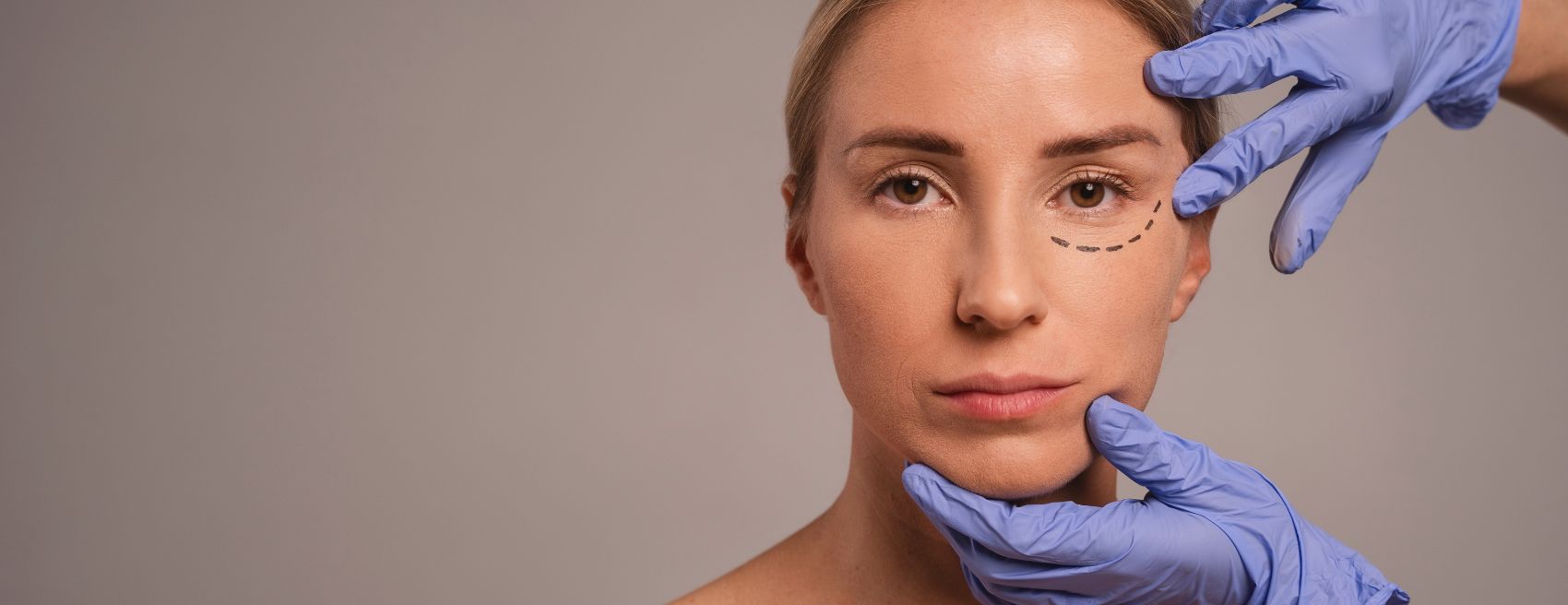
Myths About Facial Plastic Surgery: Truths and Realities
Discover the truths behind the most common myths about facial plastic surgery. Learn how modern advances in facelifts and safe surgical techniques allow for natural, precise and long-lasting results, according to Dr. Richer's vision.
Facial plastic surgery has evolved tremendously in recent decades. However, the myths surrounding it persist: ideas about vanity, artificial results or endless recoveries. The reality is quite different.
Today, facial cosmetic surgery combines art, science and medical ethics to deliver natural, safe and personalized results. Understanding what is myth and what is true allows patients to make informed decisions, based on clinical evidence and not on misperceptions.
In this article, we will analyze the most common myths about facial plastic surgery and reveal the realities behind each one, supported by scientific research and the experience of Dr. Richer, specialist in facelifting and comprehensive rejuvenation.
Facial plastic surgery is only for older people
One of the most persistent myths is that facial surgery is reserved only for older people. In reality, age is not the only determining factor.
More and more young adults are opting for preventive facial harmonization procedures, seeking to maintain the freshness of the face before marked signs of aging appear.
Recent studies on preventive cosmetic surgery in young adults highlight the effectiveness of these early interventions to preserve facial structure and delay sagging.
El modern facelifting or Facelift It no longer merely tightens the skin; it acts on the deep layers of the face to restore volume and support. In addition, it is combined with non-surgical treatments such as botulinum toxin or dermal fillers, achieving natural results without altering facial expression.
The results always look unnatural
This myth is rooted in old procedures or poorly planned surgeries. Modern facial surgery seeks preserve the patient's identity. The goal is not to change the face, but to restore its harmony and natural expression.
Advanced techniques such as Deep Plane Facelift they allow us to reposition muscles and deep tissue without creating the “tight” aspect of the past. In fact, clinical studies show that the Deep Plane Facelift offers longer-lasting results and natural than conventional methods.
Naturalness depends on three key factors:
- Skill and aesthetic judgment of the surgeon
- Patient skin quality
- Adequate post-operative care
When these three elements align, the result is a more rested and rejuvenated version of the same person, not a change of identity.
Only women undergo facial surgery
Although women have historically represented the majority of patients, the number of men who resort to facial plastic surgery is growing every year.
The Called Male Facelifts are designed to respect male proportions — a more defined jaw, firm cheekbones and thicker skin — avoiding feminized or obvious results.
Research on cosmetic surgery men highlight a significant increase in the demand for facial procedures among professional men looking for a more relaxed and competitive appearance.
Common procedures among men include blepharoplasty, the rhinoplasty And the Cervicofacial lift. These surgeries do not seek to change identity, but rather to project energy and vitality in a discreet way.
Facial plastic surgery is only for celebrities
Another common myth is that facial cosmetic procedures are exclusive to public figures or people with high purchasing power.
Today, the reality is the opposite: they exist personalized and accessible options, with flexible payment plans and outpatient procedures that reduce costs without compromising safety.
Modern facial plastic surgery is aimed at improving well-being and self-confidence, not following unattainable standards.
As Dr. Richer points out: “true transformation does not seek to look like another, but to recover the best in oneself with naturalness and precision”.
Realities of modern facial plastic surgery
Contemporary facial surgery combines advanced techniques with a comprehensive approach to rejuvenation. Dr. Richer's philosophy emphasizes the complete facial harmony, treating the face as a balanced aesthetic unit.
Current techniques with natural results
Modern procedures include:
- Mini facelifting: ideal for mild sagging.
- Cervicofacial lift: improves mandibular contour and neck.
- Deep plane facelift: works on deep planes for long-lasting results.
These techniques are adapted to the patient's skin type, age and facial structure, offering more subtle and personalized results.
Duration and maintenance of results
The effects of a facelifting can be kept visible between Eight and twelve years, although its exact duration varies depending on the individual characteristics of each patient. Factors such as skin quality, genetics and daily habits directly influence the longevity of the results.
El Deep Plane Facelift, acting on the deeper muscle and tissue layers of the face, offers a longer lasting firmness than traditional methods.
This technique repositions the facial structure instead of tightening only the skin, allowing it to maintain a natural appearance over time.
However, there are several factors that can accelerate or prolong the effect of facial rejuvenation, such as Excessive sun exposure, for example, which reduces skin elasticity and promotes the appearance of premature wrinkles or smoking limits cell oxygenation and slows healing processes.
Instead, keep a consistent skincare routine And a balanced diet helps preserve the firmness, luminosity and quality of facial tissue.
In short, to wear a healthy lifestyle, together with the postoperative care recommended by the surgeon, is key to prolonging the results of the lift and enjoying a longer lasting and harmonious facial rejuvenation.
Recovery and aftercare
Contrary to another common myth, recovery after a facelift It's not necessarily long or painful.
Thanks to minimally invasive techniques, most patients resume light activities within one to two weeks.
The most important care includes:
- Sleep with your head elevated.
- Avoid direct sun exposure.
- Do not do strenuous exercise for three weeks.
- Follow medical guidelines for hygiene and topical products.
Full recovery is usually completed in approximately three months, moment when the final results are assessed.
Myths and Truths About Non-Surgical Treatments
Non-invasive aesthetic treatments offer remarkable results, but They are not a substitute for facial plastic surgery when there is sagging or excess skin.
Limitations of non-surgical treatments
El Botox, the dermal fillers And the Radiofrequency are non-surgical treatments that help improve skin texture and smooth out more superficial wrinkles. However, its action is limited to the outer layers of the face and cannot correct sagging or deeper structural alterations, as facial surgery does.
These procedures have a temporary duration and require maintenance sessions to preserve results. On average, botox maintains its effect between three and six months, dermal fillers between six and twelve months, and the radio frequency between six and nine months, depending on the technique used and the patient's metabolism.
Even so, its value within a comprehensive facial rejuvenation plan is significant. They are excellent options such as complement or preparatory phase prior to a facelift, since they improve skin quality, optimize recovery and help maintain surgical results longer. However, should not be considered a total substitute for surgery when there are advanced signs of sagging or loss of facial support.
Complementary procedures and comprehensive approach
The best aesthetic result is achieved with a combined and personalized approach.
For example, after a blepharoplasty, treatments with fractional laser or chemical peels can improve skin texture and luminosity.
Common combinations:
- Botox+ dermal fillers for volume and expression.
- Laser + facial surgery to improve tone and elasticity.
- Topical routine with antioxidants to maintain results.
These strategies, supervised by a specialist, optimize the durability of facial rejuvenation and promote a natural and healthy appearance (see complementary study).
FAQs
Does facial plastic surgery leave visible scars?
The incisions are made in strategic areas, such as behind the ears or in the natural folds of the face. With modern techniques and good post-operative care, scars become minimal and almost imperceptible.
Is the recovery painful or prolonged?
Most patients experience only mild discomfort. Thanks to anesthetic management and advances in microsurgery, recovery is becoming faster and more comfortable.
Are the results permanent?
They don't stop aging, but they do They delay significantly. A face-lift can maintain results between 8 and 12 years, especially if the patient takes care of their skin and lifestyle habits.
A New Era for Facial Plastic Surgery
The myths about facial plastic surgery have been replaced by a new era of precision, safety and naturalness.
Thanks to advanced techniques such as Deep Plane Facelift, and to the ethical and personalized approach of specialists such as Dr. Richer, today it is possible to rejuvenate without losing identity.
Facial plastic surgery no longer seeks artificial perfection, but harmony, trust and integral well-being backed by science and professionalism.
