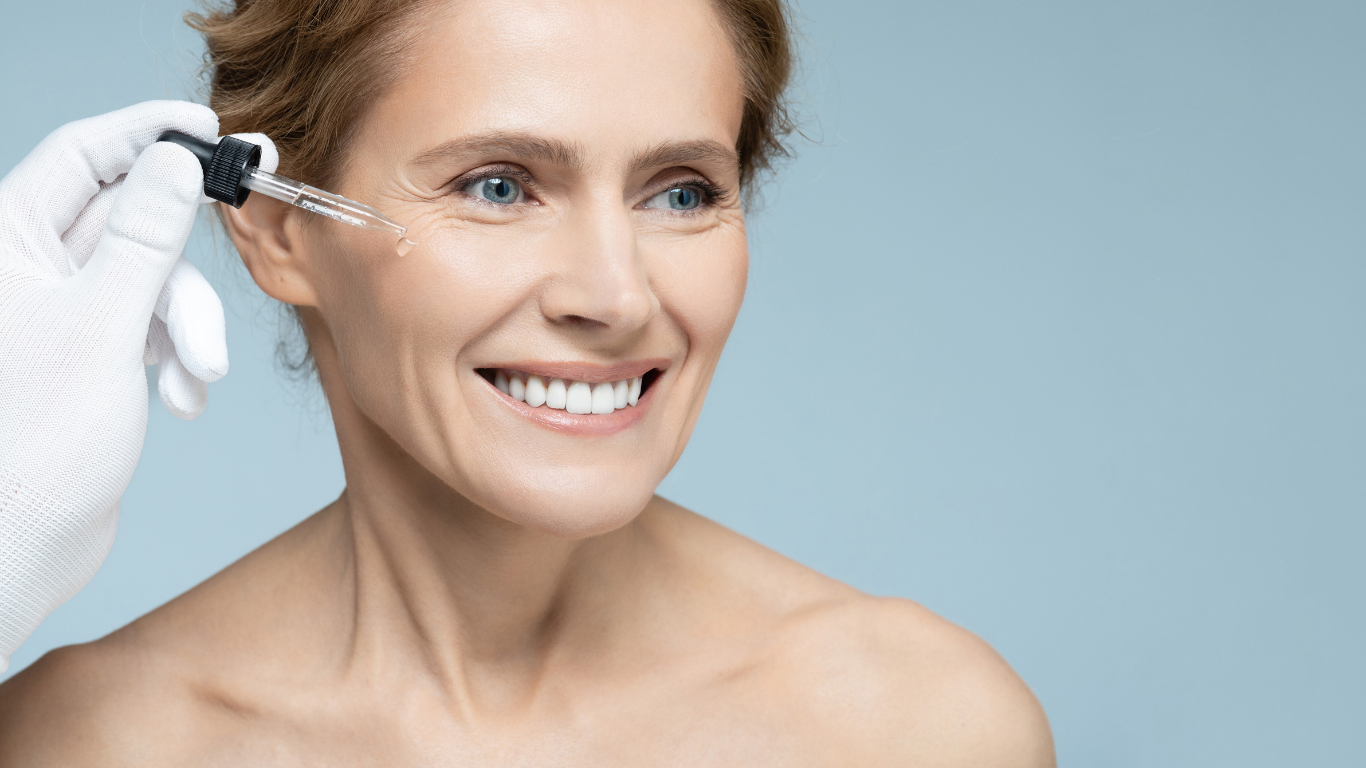
Skin rejuvenation treatments: what really works?
Discover which skin rejuvenation treatments actually work, from lasers and peels to injectables and surgery, with Dr. Richer.
Looking in the mirror and noticing that your skin no longer has the same radiance, firmness, or texture can be a difficult experience. Fine lines appear gradually, spots can become more visible, and your skin may start to feel less even. While these changes are part of natural aging, it is normal to want to regain a fresher, healthier appearance.
Today, there are countless options that promise to rejuvenate the skin, from creams and facials to laser treatments, energy-based procedures, injectables, and surgical techniques. With so many alternatives available, it is easy to feel confused and wonder which skin rejuvenation treatment actually works.
The reality is that there is no single treatment capable of solving every sign of aging. The best option depends on the concern you want to address, your skin condition, your age, your goals, and how much recovery time you are willing to consider.
For Dr. Richer, rejuvenation begins with an individual assessment. Instead of recommending a treatment simply because it is popular, the goal is to identify what is changing in your skin and determine which alternative can offer a natural, safe, and appropriate improvement for you.
What does skin rejuvenation really mean?
The skin rejuvenation process encompasses various treatments aimed at improving characteristics related to aging and skin damage. This can include fine lines, uneven texture, spots, loss of radiance, sun damage, and certain degrees of sagging.
Not all treatments work in the same way. Some focus on the surface of the skin, while others stimulate repair processes in deeper layers.
That is why, before choosing a treatment, it is important to identify exactly what you wish to improve. Someone primarily concerned with spots may need a different strategy than someone looking to address sagging or volume loss.
What factors cause skin to age?
Skin aging is influenced by various factors. Age causes natural changes in the production of collagen and elastin, proteins that help maintain the skin's structure and firmness.
Cumulative sun exposure also plays a significant role. Ultraviolet radiation can contribute to the appearance of spots, uneven texture, and loss of elasticity.
Genetics, hormonal changes, lifestyle, stress, and certain habits can also influence the appearance of the skin.
For this reason, an effective treatment must address the root cause rather than just the visible symptom.
Which skin rejuvenation treatments work best?
Efficacy depends on the specific issue being addressed. While some procedures have clinical evidence and experience supporting their use for certain concerns, no single treatment is universal.
Topical treatments
Topical products can play an important role in skincare, especially when used consistently.
Ingredients like retinoids can help improve texture and certain fine lines. Antioxidants can complement a protection and care routine, while products with depigmenting ingredients can be useful for certain types of dark spots.
However, topical products have limitations. They cannot remove large amounts of excess skin or produce the same level of tightening as surgery.
Chemical peels
Chemical peels use specific substances to produce a controlled exfoliation of certain layers of the skin.
Depending on the type and depth of the peel, they can help improve texture, radiance, some dark spots, and certain fine lines.
The choice of product and its concentration must be tailored to the individual's skin characteristics. A treatment that is too aggressive can cause irritation or pigmentation changes, which is why a professional assessment is important.
Laser facial rejuvenation
Laser treatments can use different technologies to address issues such as uneven texture, dark spots, and certain signs of photoaging.
Some lasers act on the skin's surface, while others generate a thermal stimulus in deeper layers to promote collagen remodeling processes.
The results and recovery time depend on the technology used, the intensity of the treatment, and individual skin characteristics.
Energy-based treatments
There are technologies that use different forms of energy to stimulate the skin and improve specific signs of aging.
Depending on the device, they can focus on texture, firmness, or collagen remodeling. Some treatments require little recovery time, while others may cause temporary swelling or peeling.
It is important not to assume that all energy-based treatments produce the same results. The technology must be selected based on the goal and the characteristics of the skin.
Do injectable treatments rejuvenate the skin?
Injectable treatments can play an important role in facial rejuvenation, although their goal is not always to directly improve skin quality.
Neuromodulators can temporarily reduce the appearance of certain lines related to muscle movement. Fillers can restore volume in specific areas and improve certain facial proportions.
Some injectable treatments are also designed to improve skin quality through different mechanisms. However, each product has specific indications and must be used by a trained professional.
The goal of a well-designed rejuvenation plan is to avoid over-treatment and maintain natural results that respect the proportions of the face.
What happens when the main issue is sagging?
Sagging requires a different approach. When the skin has lost a significant amount of elasticity, superficial treatments can improve texture, but they cannot necessarily eliminate excess skin.
In mild cases, certain energy treatments can produce a gradual improvement in firmness. However, when there is significant sagging, a surgical procedure may be more effective.
Facelift
A facelift can treat sagging in specific areas of the face by repositioning tissues and removing excess skin when indicated.
Unlike many non-surgical treatments, it can produce a more significant structural change. The goal of a modern technique is to achieve a rejuvenated appearance without creating an artificial expression.
Neck lift
When loss of firmness is concentrated primarily in the neck and jawline, a neck lift may be an alternative.
It can treat certain degrees of sagging skin and improve neck definition. In some patients, it can be combined with other procedures to achieve a more balanced transition between the face and neck.
Which treatment works best for dark spots?
Dark spots can have different causes, so the first step is to determine what type of pigmentary alteration is present.
Depending on the diagnosis, topical products, peels, certain lasers, or other technologies may be used.
Sun protection is essential during and after treatment. Without adequate protection against ultraviolet radiation, some pigmentary alterations can reappear or worsen.
Therefore, treating a dark spot means not only removing it, but also controlling the factors that contribute to its appearance.
Which treatment works best for wrinkles?
The answer depends on the type of wrinkle.
Lines related primarily to muscle movement may respond to neuromodulators. Lines associated with volume loss may benefit from fillers in certain cases.
When wrinkles are accompanied by significant sagging, the problem may require a different approach. In these cases, treating only the skin's surface may not produce the expected change.
A complete facial assessment allows us to distinguish between lines, volume loss, skin damage, and sagging, which are related but not identical issues.
How long do the results last?
The duration depends on the treatment. Some procedures produce temporary results that require periodic maintenance, while others can generate longer-lasting changes.
Treatments aimed at improving texture may require several sessions. Injectables also usually require maintenance because their effects diminish gradually.
Surgical procedures can produce longer-lasting results, although aging continues naturally after surgery.
This means that long-lasting does not mean permanent. No treatment can completely stop the natural aging process.
How do you choose the right treatment?
Choosing a rejuvenation treatment should not start with the question of which procedure is trending. It should start with the question of what you want to improve.
If your main concern is texture, a strategy might focus on the skin's surface. If it is dark spots, the treatment might focus on pigmentation. If there is a loss of volume, different alternatives can be considered.
When the main issue is significant sagging, it may be necessary to evaluate procedures capable of treating the tissues more deeply.
During a consultation with Dr. Richer, these characteristics can be analyzed to develop a personalized plan that prioritizes natural and proportional results.
Can different treatments be combined?
Yes, for certain patients, a combination of treatments can be more effective than relying on a single procedure.
For example, one person may need to improve skin texture while simultaneously restoring volume in specific areas. Another patient may present with sagging and changes in skin quality that require different strategies.
The combination must be carefully planned. More treatments do not necessarily mean better results. A smart approach consists of using only the tools that truly add value.
The importance of daily skincare
Even the most advanced professional treatments need to be accompanied by good habits.
Daily sun protection is one of the most important aspects of preventing cumulative damage. A proper routine can also help maintain hydration and support overall skin health.
Getting enough sleep, maintaining a balanced diet, and avoiding habits that damage the skin can also contribute to its appearance.
Rejuvenation should not be viewed merely as a one-time procedure, but rather as a continuous approach to long-term skin care.
Frequently asked questions about skin rejuvenation treatment
What is the best skin rejuvenation treatment?
There is no single best treatment. The right option depends on the issue you want to address, such as spots, wrinkles, texture, volume loss, or sagging, as well as your individual skin characteristics.
Do rejuvenation treatments actually work?
Yes, various treatments can improve specific signs of aging, but results depend on the procedure, the condition of the skin, and your expectations. It is important to choose the right technique for your specific concern.
Are rejuvenation treatments permanent?
Generally, no. Some procedures offer temporary results, while others can provide long-lasting improvements. Aging continues naturally, so maintenance and skin care remain important.
Is a surgical or non-surgical treatment better?
It depends on the degree of aging. Non-surgical treatments may be appropriate for mild to moderate changes, while surgery may be more suitable when there is significant sagging or excess skin.
Can I combine several rejuvenation treatments?
In certain cases, yes. A carefully selected combination can address different aspects of aging. However, the strategy must be individually designed to avoid unnecessary procedures.
Discover which treatment can transform your skin with Dr. Richer
Finding the skin rejuvenation treatment Being appropriate doesn't mean chasing every new technology or looking for a quick fix. It means understanding what is changing in your skin and choosing a strategy that makes sense for your needs.
At Dr. Richer, rejuvenation is approached from a personalized perspective. Every face has different characteristics, so treatment must be adapted to the degree of aging, skin quality, and the results you want to achieve.
If you are tired of trying options without really knowing what your skin needs, a professional evaluation can help you put your doubts behind you. Schedule a consultation with Dr. Richer and discover which treatment can help you regain a fresher, healthier, and more natural appearance.
