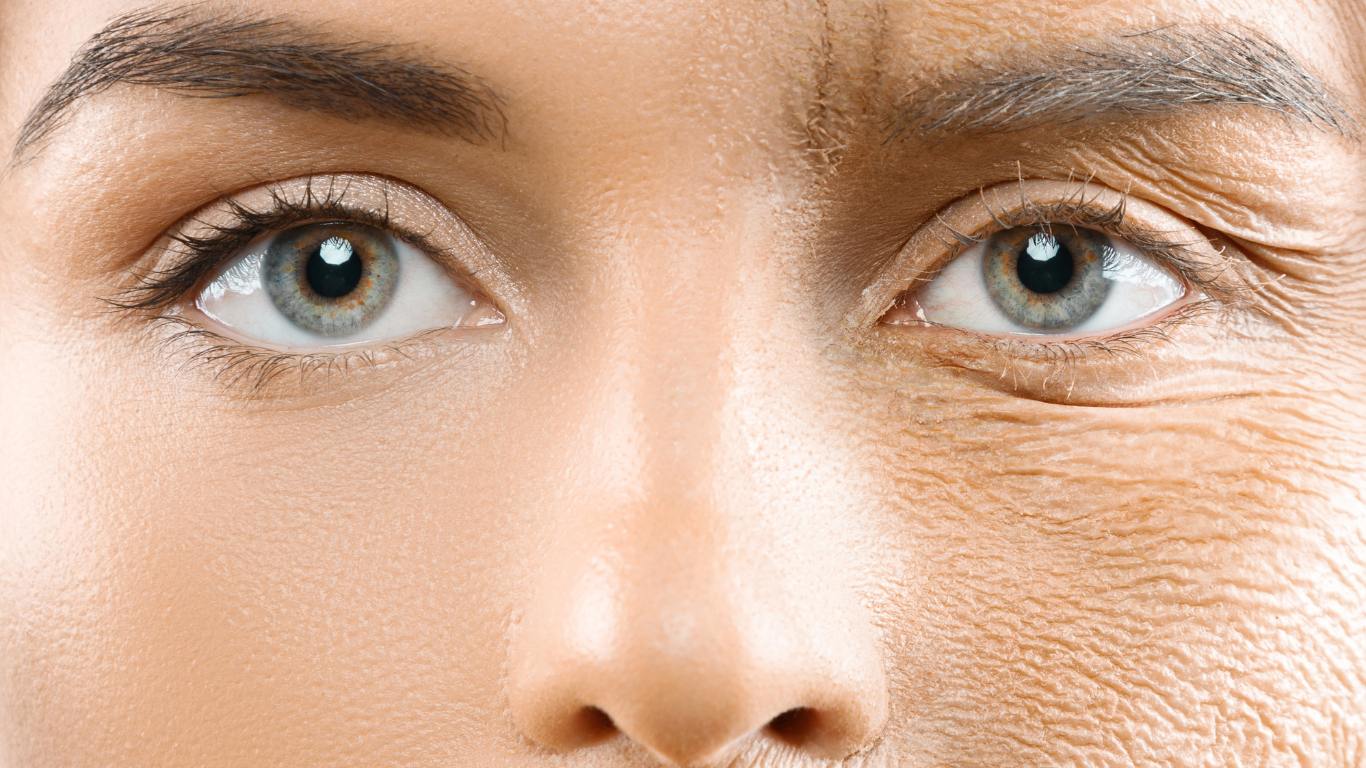
Facelift without surgery: does it really work?
Find out if a non-surgical facelift really works. Compare non-invasive vs surgical treatments, results, duration and which one is best for you.
The passage of time leaves inevitable marks on our face. The skin loses firmness, expression lines appear and the facial contour begins to blur. Many people are looking for effective solutions, but not everyone is ready to undergo surgery. It is here that the facelifting without surgery becomes an attractive and increasingly popular option.
The promise is tempting: to rejuvenate the face without a scalpel, without long recovery periods and with visible results in a short time. But important questions also arise: does it really work? , are the results comparable to a surgical lift? , is it worth the investment?
In a world where aesthetics are advancing rapidly, it is essential to understand what is behind these non-invasive treatments. Not all of them offer the same results, nor are they designed for the same cases. Clear and honest information is key to making the right decision.
In the consultation with Dr Richer, many patients arrive with high expectations for these procedures. Therefore, in this article, we thoroughly explore the facelifting without surgery, comparing it to surgical options to help you choose what's best for you.
What is a non-surgical facelift?
El facelifting without surgery encompasses a series of aesthetic treatments designed to improve the appearance of the face without the need for surgical intervention. These procedures seek to tighten the skin, stimulate collagen production and redefine facial contours.
Unlike a traditional lift, they don't involve incisions or general anesthesia. This makes them an attractive alternative for those who want visible results with lower risk and recovery time.
However, it's important to understand that these treatments don't completely replace surgery. Its effectiveness depends on the degree of aging and on the patient's expectations.
Types of Non-Invasive Treatments
Facial radio frequency
Radiofrequency uses heat energy to stimulate collagen production in the deep layers of the skin. This helps improve the firmness and texture of the face.
The results are progressive and usually require several sessions. It is ideal for people with mild to moderate flaccidity.
Focused Ultrasound (HIFU)
High-intensity focused ultrasound acts on deep layers of the skin, even at a level similar to that addressed in surgery. It produces a visible tightening effect over time.
It is one of the closest treatments to a surgical lift in terms of the lifting effect without surgery, although the results are more subtle.
Tensioning threads
The tensioning threads are inserted under the skin to generate an immediate lifting effect. In addition, they stimulate collagen production.
They are an intermediate option between the non-invasive and the minimally invasive. The results are visible quickly, but not permanent.
Dermal Fillers
Hyaluronic acid fillers help restore lost volume, redefine contours and smooth out wrinkles.
Although they don't directly tighten the skin, they can create a lifting effect by repositioning facial structures.
Botulinum toxin
Botulinum toxin relaxes the muscles responsible for dynamic wrinkles. It is especially effective on the forehead, between the eyebrows and crow's feet.
It does not cause a lift as such, but it does significantly improve the overall appearance of the face.
Does a face-lift really work without surgery?
The short answer is yes, but with important nuances.
El facelifting without surgery works especially well in young patients or those with early signs of aging. In these cases, it can improve skin firmness, texture, and overall appearance.
However, when there is significant sagging, excess skin, or marked sagging, results will be limited. No non-invasive treatment can remove excess skin or reposition tissue as effectively as surgery.
That's why it's crucial to have realistic expectations. These procedures provide visible improvements, but not radical transformations.
Comparison: non-invasive treatments vs surgical lifting
Results
The surgical lift provides more dramatic and long-lasting results. It can reposition deep tissues, remove excess skin and completely redefine the face.
Instead, the non-surgical lift offers more subtle and progressive improvements. It is ideal for maintenance or prevention.
Duration
The results of a surgical lift can last between 8 and 12 years. In contrast, non-invasive treatments require ongoing maintenance.
Depending on the procedure, results can last anywhere from a few months to a couple of years.
Recovery
This is where lifting without surgery has a big advantage. Most treatments allow you to resume activities almost immediately.
Surgery, on the other hand, requires weeks of recovery and post-operative care.
Risks
Non-invasive procedures have fewer risks, but they are not without side effects such as swelling, bruising, or irregular results.
Surgery involves greater risks, but it also offers greater control over the final outcome.
Coste
Although non-surgical treatments may initially seem cheaper, ongoing maintenance can make the long-term cost similar to or even greater than surgery.
Who is the ideal candidate?
The ideal candidate for a facelifting without surgery is a person with mild to moderate signs of aging, good leather quality and realistic expectations.
It's also a great option for those who want to delay surgery or improve previous results.
In consultation, Dr. Richer evaluates factors such as skin elasticity, facial structure and patient objectives to recommend the most appropriate treatment.
Advantages of a non-surgical facelift
One of the biggest benefits is the minimal invasiveness. There are no scars or long periods of recovery.
In addition, treatments are often quick and comfortable, making them ideal for people with busy schedules.
Another plus point is the possibility of customizing treatment according to the specific needs of each patient.
Limitations you should consider
Despite its advantages, it's important to recognize that results are limited compared to surgery.
Not all patients will get the desired effect, especially if the sagging is advanced.
In addition, the need for maintenance can be an important factor to consider both in time and cost.
Is a facelift without surgery worth it?
The answer depends on your goals.
If you are looking for a natural, progressive improvement without downtime, the facelifting without surgery can be an excellent option.
But if you want a more significant and lasting change, surgery is probably the best alternative.
The most important thing is to have a professional evaluation to guide you to the best decision.
Frequently asked questions about whether a facelift without surgery is possible
Is a facelift without surgery painful?
Most treatments are well tolerated. Some may cause mild discomfort, but they usually don't require general anesthesia.
How long does it take for the results to be seen?
It depends on the treatment. Some offer immediate results, while others, such as radiofrequency or HIFU, show progressive improvements over weeks or months.
How long do the results last?
Varies According to the procedure. In general, results last between 6 months and 2 years, with recommended maintenance sessions.
Can I combine several treatments?
Yes. In fact, combining techniques often offers better results when addressing different aspects of aging.
The best decision is an informed decision
Choose between a facelifting without surgery and a surgical procedure is not a decision to be taken lightly. Every face is unique, and each treatment has its own advantages and limitations.
The most important thing is to understand that there is no universal solution. While non-invasive treatments can offer natural and convenient results, surgery remains the standard for deeper and more lasting changes.
In expert hands such as those of Dr Richer, you can receive an honest and personalized evaluation to help you choose the right path. The goal is not only to rejuvenate, but to do so in a safe, harmonious way and in accordance with your expectations.
If you're considering improving your appearance and regaining confidence in your image, now is the time to take the next step. Schedule a consultation with Dr Richer and find out which treatment is right for you.
