Panniculectomy vs. tummy tuck: what is the difference and which one do you need?
Discover the differences between a panniculectomy and a tummy tuck, their functional and cosmetic goals, who is a candidate, and how to choose with Dr. Richer.
After significant weight loss, pregnancy, or major body changes, you may be left with excess abdominal skin that doesn't go away with diet or exercise. For many, this skin can become a constant source of physical discomfort and can also affect how they feel about their body.
When it comes time to look for a solution, it is common to come across two procedures that seem similar: the panniculectomy and the tummy tuck. Although both can remove skin and tissue from the abdomen, their goals, techniques, and results are not exactly the same.
Understanding the difference is especially important because not everyone is looking for the same thing. Some people primarily need to relieve discomfort caused by excess skin, while others want to improve their abdominal contour and achieve a firmer, more defined appearance.
Understanding these differences is an essential part of guiding every Dr. Richerpatient toward the option that best suits their individual needs, goals, and conditions. With the right information, you can make a more confident and informed decision about your body transformation.
What is a panniculectomy?
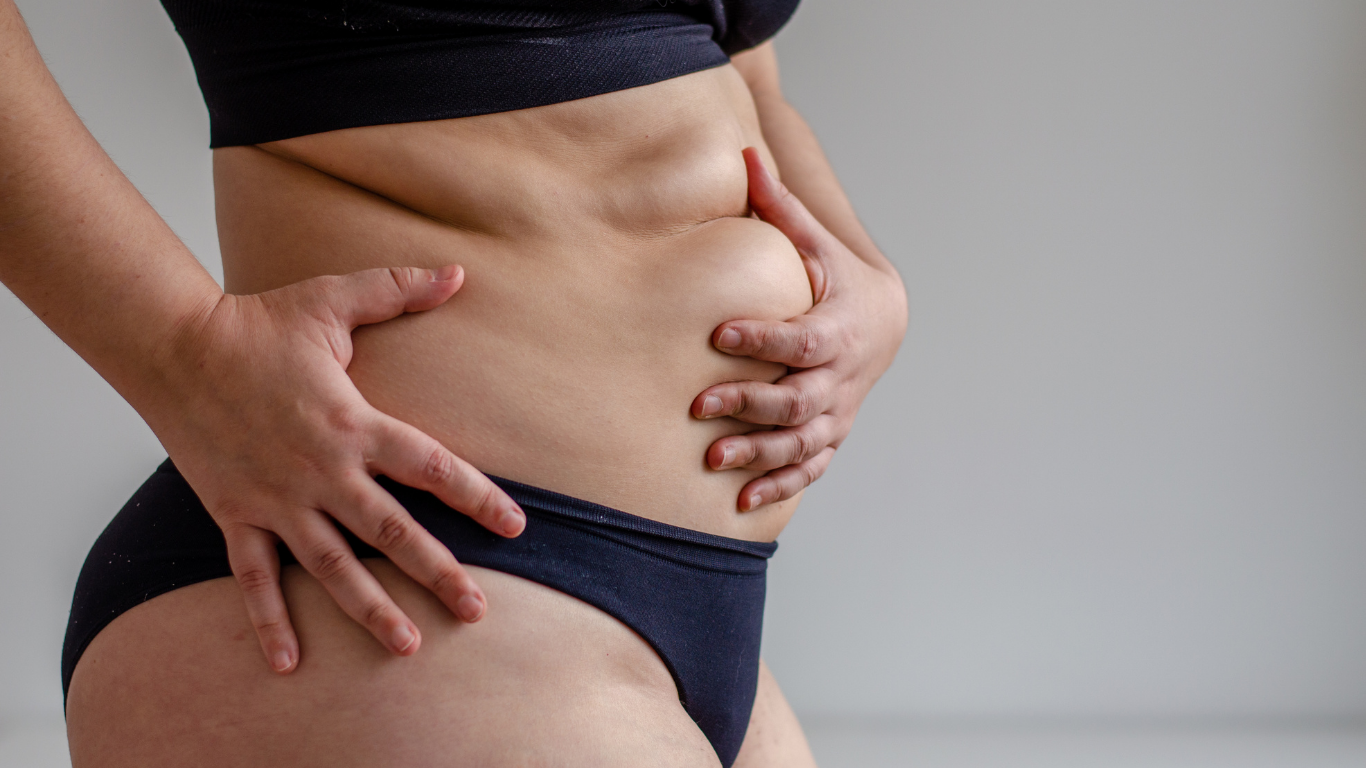
A panniculectomy is a surgical procedure designed primarily to remove excess skin and fatty tissue that hangs from the lower abdomen. This tissue can form a fold known as a pannus or "apron," especially after significant weight loss.
The main goal of a panniculectomy is to remove excess tissue that can cause functional problems, such as irritation, chafing, difficulty keeping the abdominal area clean and dry, or discomfort when walking and performing certain activities.
Although removing excess skin can produce a visible improvement in your silhouette, a panniculectomy is not primarily designed to reshape the entire abdomen for aesthetic purposes.
What problems can it help solve?
A person with a significant amount of excess abdominal skin may experience discomfort that goes beyond appearance. Skin folds can cause constant friction and trap moisture, which can lead to skin irritation and discomfort.
There may also be difficulty finding comfortable clothing or performing certain physical activities. In these cases, removing the excess tissue can improve mobility and enhance daily comfort.
For this reason, a panniculectomy is generally considered a procedure with a primarily functional goal, although it can also result in a significant aesthetic transformation.
What is a tummy tuck?
A tummy tuck, also known as an abdominoplasty, is a surgery that aims to improve the contour and appearance of the abdomen by removing excess skin and fat and, when indicated, treating the separation or weakness of the abdominal muscles.
Unlike a panniculectomy, a tummy tuck has a broader focus on body contouring and abdominal aesthetics. During the procedure, the surgeon can tighten the abdominal wall muscles, reposition tissues, and remove excess skin to create a firmer-looking abdomen.
The exact technique depends on each patient's anatomical characteristics and goals. For this reason, an individual assessment is essential before determining which procedure can offer an appropriate result.
What aesthetic changes can it produce?
A tummy tuck can improve the appearance of an abdomen with loose skin, excess tissue, and certain changes in the abdominal wall. The result can be a more defined silhouette and a more harmonious transition between the abdomen and surrounding areas.
However, it is important to understand that a tummy tuck is not a substitute for weight loss and should not be considered a treatment for obesity. It is generally considered when a person is at a relatively stable weight and has excess skin or changes in abdominal contour that do not respond to conventional measures.
Panniculectomy or tummy tuck, what is the difference?
The difference between both procedures can be summarized in one fundamental idea: a panniculectomy focuses primarily on removing excess tissue, while a tummy tuck also seeks to reshape the abdomen.
In a panniculectomy, the surgeon removes the excess tissue that forms the abdominal apron. The goal is to improve comfort and function, although it can also lead to an improvement in appearance.
In a tummy tuck, the procedure may include the removal of skin and fat, as well as the repair or tightening of the abdominal muscles when necessary. For this reason, it usually has a more pronounced aesthetic component.
The choice should not be based solely on which procedure seems to offer a better visual result. The most important thing is to determine what problem needs to be treated and what result the patient hopes to achieve.
Functional vs. cosmetic procedures
One of the main questions when comparing these procedures is whether they are functional or cosmetic surgeries. The answer depends on both the procedure and the reason it is being performed.
A panniculectomy can have a primarily functional goal when the excess skin causes physical problems, irritation, discomfort, difficulty moving, or other complications related to the excess abdominal tissue.
A tummy tuck usually has a primarily cosmetic goal, especially when the person wishes to improve the shape, firmness, and proportion of the abdomen. However, it can also address certain abdominal wall alterations that have a functional dimension.
This distinction can be important when evaluating health insurance coverage. Coverage criteria vary by country, insurance company, medical documentation, and individual circumstances. Therefore, it is advisable to consult directly with the relevant provider.
Does functional mean it doesn't improve appearance?
No. A functional procedure can also produce significant aesthetic changes .
When a significant abdominal apron is removed, for example, the abdomen may look flatter simply because the protruding tissue has been removed. However, the medical purpose of the intervention may have been to relieve discomfort and improve mobility.
Likewise, a tummy tuck may have aesthetic goals, but certain patients may also experience benefits related to the function of the abdominal wall.
That is why functional and cosmetic are not always completely separate concepts. The important thing is to identify the primary goal of the surgery.
Who is a candidate for a panniculectomy?
A panniculectomy may be considered for individuals who have a significant amount of excess skin and tissue in the lower abdomen, especially after substantial weight loss.
It may also be an option for those experiencing physical discomfort associated with that excess tissue. A medical evaluation helps determine if a person is in good enough health for surgery and if their expectations are realistic.
Maintaining a stable weight is also an important factor. Significant weight changes after surgery can alter the results, so it is usually recommended to evaluate the right time to undergo the procedure.
Who is a candidate for a tummy tuck?
A tummy tuck may be an alternative for people who want to improve their abdominal contour after major body changes. This can include changes following pregnancy or significant weight loss.
A suitable candidate must be evaluated individually. Factors such as general health, weight stability, surgical history, skin quality, abdominal anatomy, and personal expectations can influence the decision.
It is important to remember that a tummy tuck is not a substitute for healthy habits. A balanced diet and an active lifestyle remain important both before and after the procedure.
Do panniculectomy and tummy tuck surgery leave scars?
Both surgeries can leave scars because they require surgical incisions. The location and length of the scar depend on the technique used and the amount of tissue that needs to be removed.
In many cases, the surgeon aims to place incisions in areas that can be covered by underwear or swimwear. However, healing is individual, and no surgery can guarantee a completely invisible scar.
Post-operative care recommended by the medical team can help promote proper healing. It is also important to understand that scars typically change in appearance over time.
Which procedure offers better results after significant weight loss?
Following significant weight loss, some individuals experience a considerable excess of skin that can affect various areas of the body. For the abdomen, both a panniculectomy and a tummy tuck (abdominoplasty) may be considered, but they do not pursue the exact same goal.
If the main issue is an abdominal apron causing physical discomfort, a panniculectomy may be appropriate. If there is also a desire to reshape the abdomen, address abdominal wall laxity, and improve contour, a tummy tuck may be more suitable.
In some patients, complementary procedures may be considered to treat other areas of the body. Recommendations should be made following a comprehensive and personalized assessment.
How do you know which one you need?
The best way to distinguish between a panniculectomy and a tummy tuck is to start by defining what you want to improve and why.
If excess skin is causing physical problems, irritation, or mobility issues, it is important to mention this during your consultation. If your primary concern is the appearance of your abdomen, you should also explain what changes you hope to achieve.
During a consultation with Dr. Richer, an evaluation can help determine the characteristics of your abdomen, the amount of excess tissue, skin quality, and other relevant factors to define an individualized surgical plan.
There is no universally superior procedure. There is only the procedure that is most appropriate for a specific individual, taking into account their anatomy, needs, and goals.
Frequently asked questions about panniculectomy vs. tummy tuck
Is a panniculectomy the same as a tummy tuck?
No. Although both can remove excess abdominal skin, a panniculectomy focuses primarily on removing excess tissue, whereas a tummy tuck aims to reshape the abdomen and may include treatment of the abdominal muscles.
Is a panniculectomy considered cosmetic surgery?
It can significantly improve the appearance of the abdomen, but its primary goal is often functional when there is a significant excess of skin causing discomfort. The specific purpose depends on each patient's circumstances.
Does a tummy tuck remove all abdominal fat?
Not necessarily. A tummy tuck can remove some fatty tissue along with excess skin, but it is not a procedure designed to treat obesity, nor is it a substitute for weight loss. The amount of fat that can be treated depends on your anatomy and the technique used.
Can I exercise after a panniculectomy or tummy tuck?
Returning to physical activity should be done gradually and according to your surgeon's specific instructions. Recovery time varies depending on the procedure, the technique used, and your individual progress.
Which surgery has an easier recovery?
There is no universal answer. Recovery depends on factors such as the extent of the surgery, the technique used, your health status, and your individual response. A medical consultation allows us to explain what to expect before, during, and after the procedure.
Make an informed decision with Dr. Richer
Choosing between a panniculectomy or a tummy tuck should not come down to comparing photos or looking for which surgery seems more appealing. The real question is what your body needs and what goal you want to achieve.
If excess skin is affecting your comfort, mobility, or daily well-being, it is important to consider the functional aspect. If you are looking to reshape your abdomen and improve its contour after significant body changes, a tummy tuck may be an option to consider.
Dr. Richer can help you understand the differences between both procedures and determine which option best fits your individual needs. A personalized evaluation is the first step to learning your alternatives, answering your questions, and setting realistic expectations for the results.
Your transformation deserves an informed decision, not a choice based on terms that may seem similar. Schedule a consultation with Dr. Richer and discover which procedure might be right for you.
