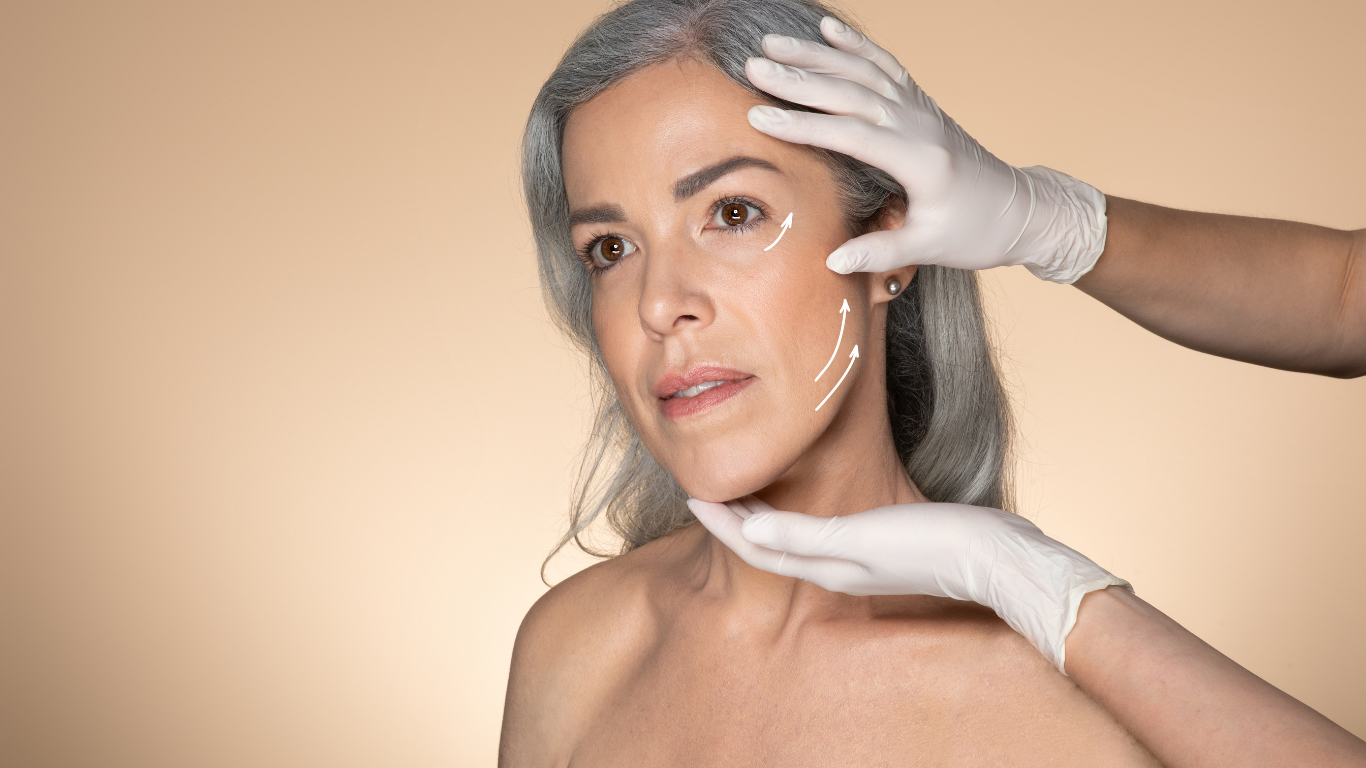
How much does a facelift cost? A complete guide
Discover the cost of a facelift and the factors that influence the price, including technique, surgeon experience, and personalized treatment with Dr. Richer.
The passage of time can change how we see our faces. Skin loses firmness, tissues begin to sag, and lines that were once barely noticeable can become more prominent. While these changes are natural, that doesn't mean you have to feel uncomfortable with them.
For many people, a facelift represents an opportunity to regain a firmer, more rejuvenated appearance without losing the features that make their face unique. However, before considering surgery, it is normal to wonder how much it costs and whether it is truly a worthwhile investment.
The cost of a facelift can vary considerably from one patient to another. The technique used, the surgeon's experience, the complexity of the surgery, the location, and the services included can all influence the final price. That is why comparing figures alone can be misleading.
At Dr. Richer, the approach begins with a personalized evaluation. The goal is not to apply the same technique to every patient, but to understand the characteristics of each face and develop a plan that seeks natural, balanced, and long-lasting results.
What is a facelift?
A facelift, also known as rhytidectomy, is a surgical procedure designed to treat specific visible signs of facial aging. It can improve skin laxity, loss of facial contour definition, and the sagging of tissues in specific areas.
Unlike some non-surgical treatments, a facelift allows for direct work on the tissues that have changed over time. Depending on the technique, it can reposition deep structures, remove excess skin, and improve the transition between different areas of the face.
The goal is not to make a person look completely different, but to restore proportions and improve the appearance of the face while maintaining a natural look.
What areas can it treat?
A facelift can focus primarily on the lower part of the face, the cheeks, and the jawline. When there is sagging in the neck, it can also be combined with a neck lift.
The technique used depends on the patient's anatomy and the extent of age-related changes. For this reason, two people seeking a facelift may require different procedures.
How much does a facelift cost?
There is no universal price for the cost of a facelift, because every procedure is planned according to the individual needs of the patient.
The total price may include the surgeon's fees, anesthesia costs, surgical facility fees, medications, follow-up consultations, and other services related to the surgery.
It can also vary depending on the technique used and whether different procedures are combined. For example, a patient who needs to treat both the lower face and the neck may require a different surgical plan than someone whose changes are primarily in the cheeks.
That is why a personalized quote is much more useful than a general figure found on the internet.
What factors influence the cost of a facelift?
Understanding what determines the price can help you better evaluate the different options available and avoid comparing apples to oranges.
The surgical technique
Not all facelifts are the same. There are different surgical techniques and approaches, and the choice depends on the degree of sagging, skin quality, facial structure, and the patient's goals.
A less extensive technique may have a different cost than a surgery that requires deeper tissue treatment. The right technique should be selected based on the needs of the face, not just the price.
The surgeon's experience
The surgeon's experience and training are important factors when considering facial surgery. A specialist with extensive experience in facial rejuvenation procedures may have different fees than other professionals.
Price alone does not guarantee a specific result. However, it is reasonable to consider the surgeon's credentials, experience, training, and approach before making a decision.
In a surgery where small changes can significantly affect facial expression and proportions, planning and experience play a fundamental role.
The complexity of the case
Every face ages differently. Some people primarily experience skin laxity, while others have deeper tissue changes, volume loss, or a combination of different factors.
The complexity of the surgery can directly influence the surgical time and the resources required to perform it.
Location and facilities
The location where the surgery is performed can also influence the price. Costs associated with the surgical center, medical staff, and anesthesia can vary depending on the location and the features of the facilities.
It is important to confirm which services are included in the quote to understand the actual cost of the procedure.
A personalized treatment plan
One of the most important factors is that the treatment is tailored to the patient. A personalized facelift can address the areas that truly need attention, avoiding unnecessary procedures.
During a consultation with Dr. Richer, your facial features, degree of aging, and personal goals can be analyzed to develop an appropriate plan.
Why can a personalized facelift be a better investment?
When looking for information on the cost of a facelift, it is easy to focus solely on finding the lowest price. However, facial surgery should be evaluated as a long-term investment.
A personalized plan allows for the selection of the specific techniques needed to address the patient's unique characteristics. This can help avoid overly tight or unnatural results that do not respect the original structure of the face.
The goal of a modern facelift is not to change your identity, but to help you look more rested, firm, and rejuvenated.
Does the lowest price mean it is a better option?
Not necessarily. Two quotes may look similar but include completely different services.
Before choosing, it is important to know if the price includes the surgery, anesthesia, facilities, follow-up appointments, and other related expenses. It is also important to consider the surgeon's experience and the level of care provided throughout the entire process.
A price difference may seem significant initially, but safety, the quality of planning, and follow-up care are also part of the total value of a surgery.
Is a facelift worth the investment?
The answer depends on your goals and expectations. For someone looking to improve significant facial sagging and seeking longer-lasting results than those offered by certain non-surgical treatments, a facelift may be an option worth considering.
The procedure does not stop the aging process, but it can improve the starting point of your face. Results can last for years, although tissues will naturally continue to change over time.
Natural and long-lasting results
One of the main goals of a modern facelift is to avoid an artificial appearance. The surgery should respect individual proportions and seek a harmonious transition between the different areas of the face.
The longevity of the results depends on factors such as age, genetics, skin quality, weight changes, and lifestyle.
Protecting your skin from the sun, maintaining a stable weight, and following healthy habits can help preserve your results for longer.
Who is a candidate for a facelift?
A suitable candidate generally shows signs of facial aging they wish to improve through surgery and is in good enough health for the procedure.
The evaluation must consider skin elasticity, tissue position, facial structure, and the patient's expectations.
There is no specific age that determines who can have a facelift. The condition of the face and individual needs are more important than a specific number of years.
It is also important for the person to have realistic expectations and understand both the benefits and the limitations of the surgery.
Facelift versus non-surgical treatments
Non-surgical treatments may be suitable for people who have mild to moderate changes and wish to avoid surgery.
Procedures such as certain energy-based treatments, fillers, or neuromodulators can improve specific features, but they cannot exactly replicate the effects of surgery, which repositions tissues and removes excess skin.
When there is significant sagging, a facelift can offer a more complete and lasting transformation.
The choice depends on your anatomy, the degree of aging, and your personal goals.
Can a facelift be combined with other procedures?
For some patients, combining procedures can help achieve a more balanced facial appearance. Depending on your needs, a neck lift, eyelid surgery, or other complementary procedures may be considered.
However, not all patients require multiple interventions. The goal of a personalized plan is to identify which procedures can provide a real benefit and which are unnecessary.
During your consultation, Dr. Richer can evaluate how different areas of the face interact and determine a comprehensive approach when indicated.
What should you ask before knowing the final cost?
Before accepting a quote, it is important to understand exactly what it includes. Ask about surgical fees, anesthesia, facility costs, follow-up appointments, and any additional expenses that may arise.
You should also be aware of the recovery process, potential complications, and the recommendations you will need to follow after surgery.
Beyond the price, it is important to feel comfortable with your surgeon and confident that your goals have been understood.
Frequently asked questions about the cost of a facelift
Why does the cost of a facelift vary from person to person?
Because each patient may require a different technique, surgical time, and treatment plan. The surgeon's experience, the complexity of the procedure, the location, the anesthesia, and the facilities can also play a role.
Does health insurance cover a facelift?
Generally, a facelift is considered a cosmetic procedure and is usually not covered by health insurance. Conditions may vary depending on your policy and individual circumstances, so it is advisable to check directly with your insurance provider.
Does a more expensive facelift guarantee better results?
No. Price alone does not guarantee a specific outcome. It is important to evaluate the surgeon's credentials, their experience, the safety of the facilities, the proposed technique, and the quality of follow-up care.
How long do the results of a facelift last?
Results can last for many years, but the natural aging process continues. Surgery provides long-lasting improvement, though it does not stop future changes to the skin and tissues.
Can I have a facelift if I have minimal sagging?
A full surgery may not be necessary if the changes are mild. In those cases, a less invasive treatment might be more appropriate. A specialist's assessment will help determine which option makes the most sense for your situation.
Discover the true value of your transformation with Dr. Richer
Asking how much a facelift costs is completely valid, but the price is only one part of the decision. Facial surgery should be evaluated by considering the technique, the surgeon's experience, safety, care, and the ability to create a personalized plan.
At Dr. Richer, every face is analyzed individually to understand which changes can be improved and how to do so while respecting your natural features. The goal is to create results that not only look good immediately but also maintain harmony over time.
If you are considering a facelift, don't just rely on a figure found online. Schedule a consultation with Dr. Richer to learn about your personalized treatment plan, get your questions answered, and discover if this investment can help you achieve the results you desire.
